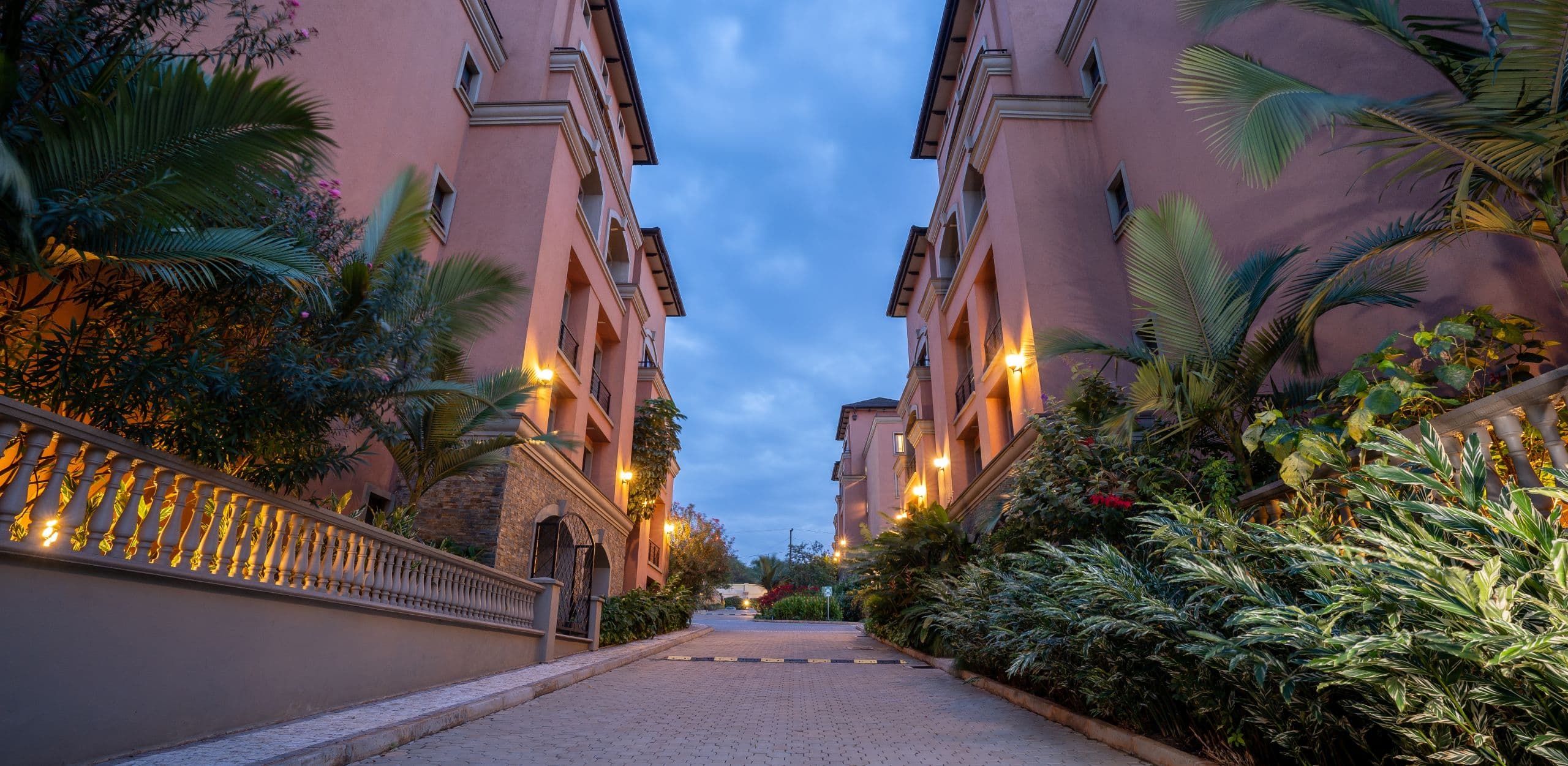
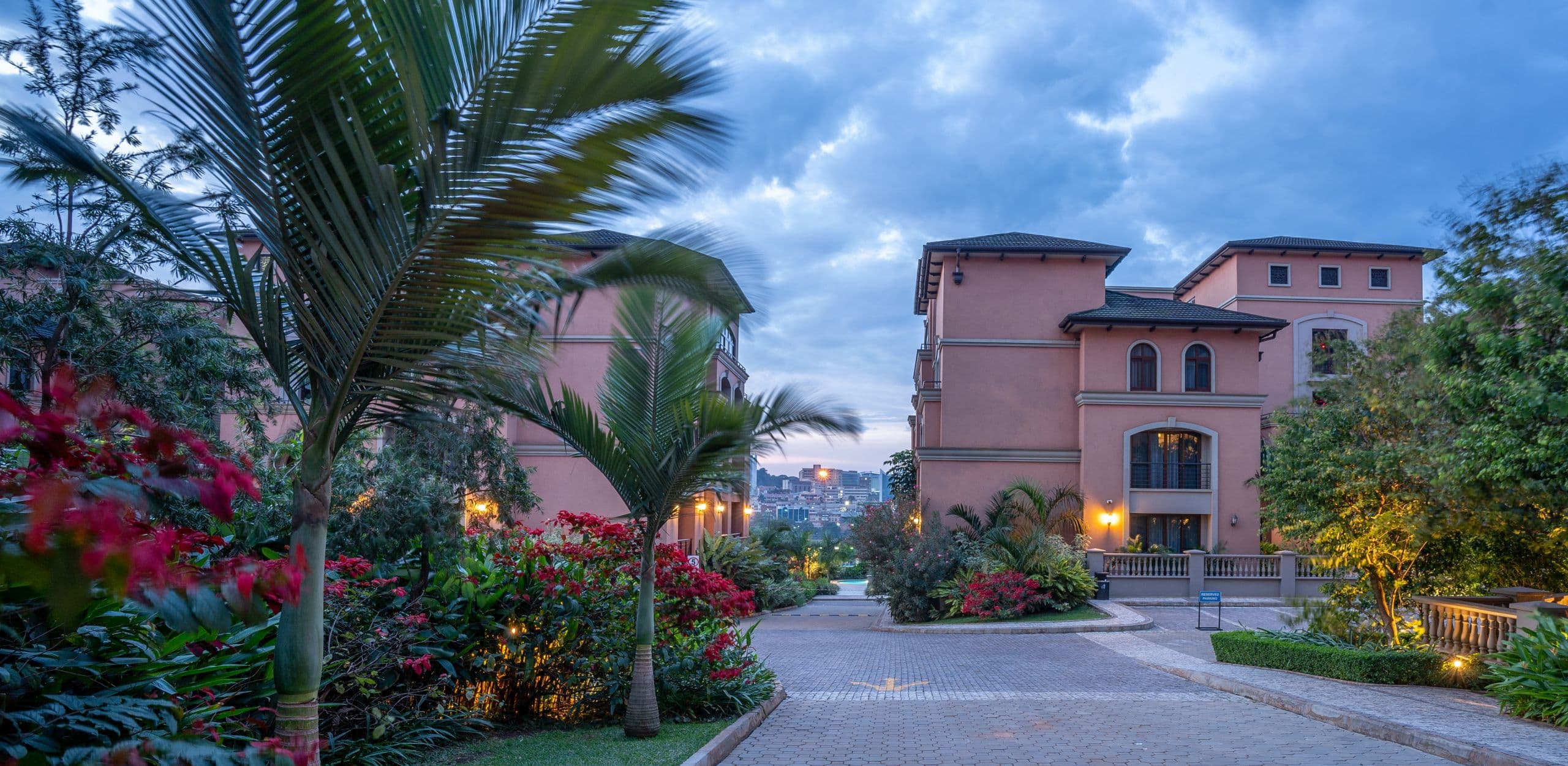
Work From Kampala: The Rise of Luxury Remote Work Retreats in Uganda
Kampala is quietly becoming a premier remote-work base for global executives — fiber-optic mesh Wi-Fi, twenty minutes to the airport, and lakeside residences built for the work-from-sanctuary professional. The guide for the global nomad.

A quiet shift is underway in East Africa's professional hospitality market. The "work from anywhere" generation of executives — consultants, founders, senior remote workers at distributed companies — has discovered Kampala. The pieces have been falling into place: fiber-optic internet improvements since 2022, the Entebbe Express Highway, and the rise of residential-grade serviced apartments built for the way modern executives actually live. Here is what the work-from-Kampala thesis looks like in 2026.
Why Kampala is suddenly on the remote-work map
The case for Kampala rests on four pillars:
- Time-zone leverage. UTC+3 is the single most productive time zone for European, Gulf, and Indian collaboration. London, Paris, and Frankfurt are within an hour. Dubai and Mumbai are within thirty minutes. New York is workable in the morning. Even San Francisco overlaps for an hour each evening.
- English-first environment. Uganda's working language is English. Professional services, hospitality, transport, and banking all operate in English at the level of business needed for an executive stay.
- Cost and quality of life. A senior remote worker can rent a 1BHK serviced apartment, eat well, employ a driver, and have weekends of golf or lakeside leisure at a small fraction of what the equivalent quality would cost in London, New York, or Singapore.
- The new infrastructure layer. The Entebbe Express Highway (2018), the steady rollout of fiber-optic internet (Airtel and MTN since 2022), and a new generation of residential-luxury operators have addressed the historic friction points.
The trade-off has always been workspace quality. Hotels in Kampala were built for short business stays — meetings during the day, restaurant in the evening, sleep — not for executives running their actual work life from the room. The mismatch is being addressed by a new generation of residential-grade properties purpose-built for the work-from-sanctuary brief.
What a work-from-Kampala stay actually looks like
A real example, lifted from a recent HMK Living guest:
A founder of a Berlin-based fintech spent three weeks in Kigo in February. Standard week:
- 06:30 — coffee on the residence balcony.
- 07:30 – 11:30 — deep-focus work block. Berlin equivalent: 04:30 – 08:30. No calls, just shipping.
- 11:30 – 14:00 — late breakfast, walk on the lakeside, light reading.
- 14:00 – 18:00 — calls with Berlin (12:00 – 16:00 there), then Lisbon (12:00 – 16:00 there), then New York (07:00 – 11:00 there). Mesh Wi-Fi held up across two of these stacked, while colleagues in Berlin were dropping.
- 18:00 onwards — gym, swim, in-residence chef dinner, in bed by 22:00.
- Weekends — Saturday: 18 holes at the championship course. Sunday: boat trip on Lake Victoria.
The shape of a productive remote-work month in Kampala is "deep focus mornings, calls into late afternoon, weekends offline." The geography supports this naturally — the lake, the golf course, the spa next door, and the airport twenty minutes away are exactly the right inputs.
What to look for in a work-from-Kampala stay
The connectivity assumption is the one most worth interrogating. "We have WiFi" means different things at different properties.
A serious work-from-Kampala setup has:
- Fiber-optic to the building. Not 4G/LTE backhaul (which is what most "WiFi" still means in mid-tier Kampala hotels). HMK Living, Fontis Residences, and the Kigo championship resort all have fiber.
- Mesh coverage. A single router in the lobby means dropouts in the suite. Mesh nodes per residence wing are now table stakes for properties marketing to remote workers.
- Backup connectivity. A second carrier on standby — typically MTN if the primary is Airtel — for the call you absolutely cannot drop. HMK Living's setup includes both.
- Power backup. Uganda's grid is more reliable than five years ago, but outages happen. Generator + UPS at the property is the floor, not the ceiling.
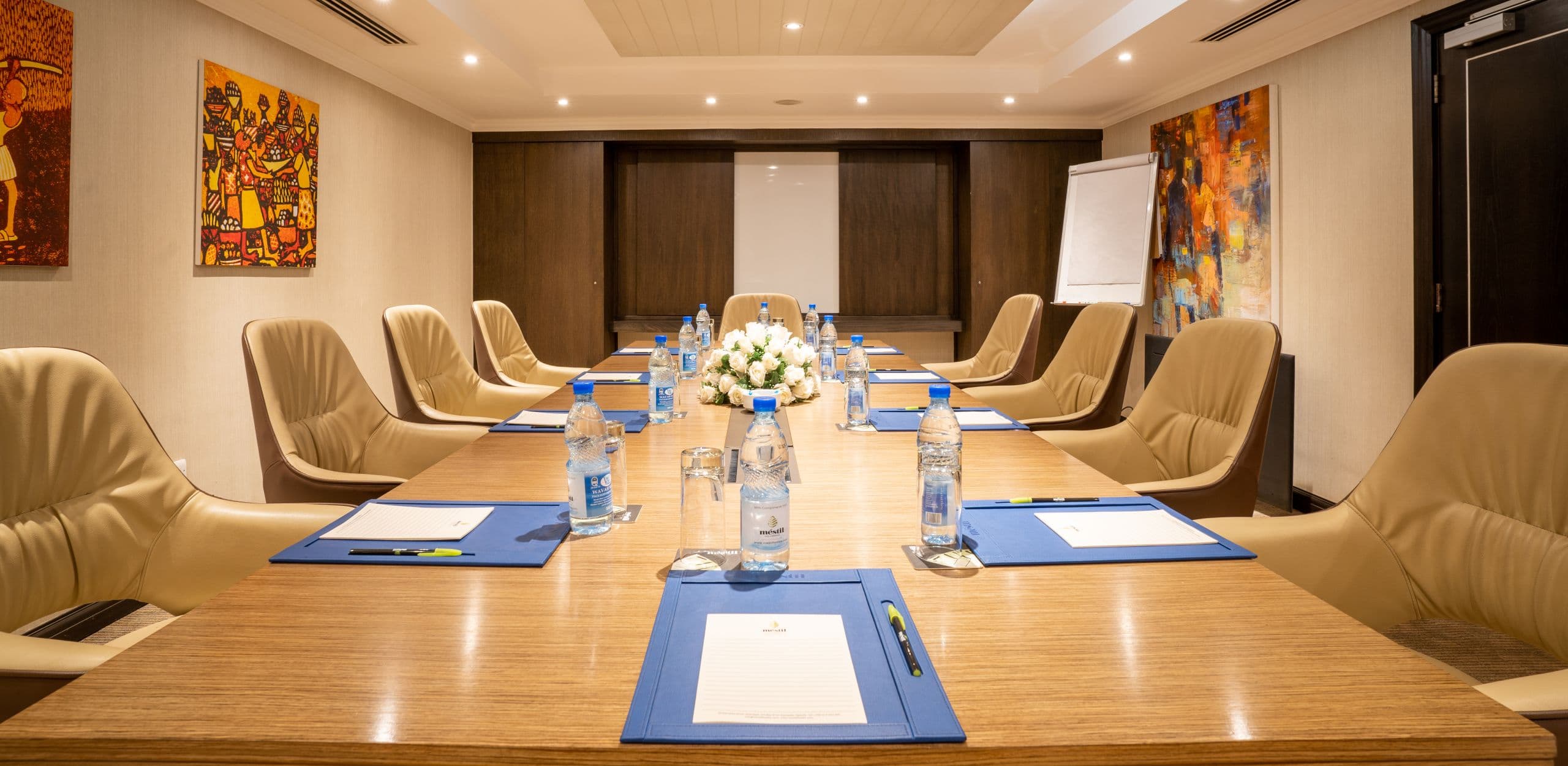
- A real workspace. Desk, chair you can sit in for four hours, monitor cable or wireless display option, no glare from windows during call hours.
If the booking page does not mention these specifically, ask before paying. A misjudgement on connectivity is the single most expensive variable on a remote-work month.
Where to base in Kampala for remote work
Four neighbourhoods cover the market:
- Kigo — HMK Living and a handful of villa rentals. Best for executives who fly often, want lakeside quiet, and run mostly remote work with occasional CBD trips.
- Naguru / Bugolobi — residential, central-ish, popular with the tech and NGO crowd. Mix of villa rentals and small serviced apartments.
- Kololo — embassy district, polished, more expensive. Better for the dinner-out culture; less calm for deep-focus work.
- Nakasero — CBD-adjacent, busier, more hotel-like. Suits the executive who is in meetings every day rather than running calls from a residence.
The bias of long-stay remote workers in 2026 is moving steadily towards Kigo. The combination of the airport access, the lakeside calm, and the residential-grade properties built for the use case has shifted the answer.
A note on visas
Uganda's tourist visa allows 90 days. The eVisa system at the Uganda Immigration Services portal is reliable; on-arrival visas at EBB also work but the queue can be slow at peak hours. For stays beyond 90 days, the options are:
- The East African Tourist Visa (Uganda + Kenya + Rwanda for 90 days).
- A business-visitor visa for engagements with a Ugandan-registered entity.
- A work permit if you are formally employed by a Ugandan entity, which most remote workers are not.
For three-to-six-week stays — the typical "work-from-Kampala" duration — the standard tourist visa is sufficient. Consult your country's Uganda mission or a local visa agent for anything longer.
How to plan the first stay
A first-time remote-work stay in Kampala benefits from being calibrated short. Ten days is enough to test the work setup, the food, the rhythm, and the time-zone fit. If it works, the second visit becomes the four- or six-week stay you actually want.
For that first trip, a 1BHK Suite at HMK Living is the most direct test of whether the residential-luxury Kampala thesis works for you. Silver tier activity gives you a Wellness Sanctuary session, a championship golf round, and chauffeur transport so you can sample everything in ten days. Direct bookings include the Silver tier upgrade automatically.
The work-from-Kampala thesis is not a fit for everyone. It works for executives who want time-zone leverage, value lakeside calm, can run their work from a residence rather than an office, and like the idea of being twenty minutes from an international airport but not in a city centre. For that profile, Kampala in 2026 is one of the most interesting under-priced remote-work bases in the world. The infrastructure has quietly caught up. The market hasn't yet.
Reserve your stay at HMK Living, Kigo.
A curated boutique residence. Direct rates, real-time availability, and an agentic WhatsApp concierge that handles the rest.
Hajrah is the founder of HMK Living and the architect of the project's quiet-luxury brief in Kigo, Kampala. She writes about luxury hospitality, residential design, and life on the lakeside.
Common questions about this topic.
Yes — for the right kind of remote worker. Kampala has improved dramatically on fiber-optic internet over the last three years, has a stable English-speaking environment, sits in a friendly East Africa time zone (UTC+3), and offers cost-of-living and quality-of-life advantages over European or North American bases. The main consideration is workspace quality, not connectivity.